
Home » Arthritis in Dogs
There is more than one type of arthritis, but osteoarthritis is by far the most common type of arthritis in dogs. Other types include rheumatoid arthritis (autoimmune disease that attacks the joints) and septic arthritis (caused by joint infection).
Osteoarthritis in dogs is a complex condition that involves inflammation and degeneration of one or more joints, hence often called degenerative joint disease.
In dogs with arthritis, the cartilage within the joint becomes damaged and hence less smooth. In a healthy joint, the cartilage acts as a shock absorber and as such provides a cushion between the bones which form the joint. Eroded cartilage causes the bones in the joint to rub together, which is painful and can damage the cartilage even further. This increased friction can cause new bone to form around the joint (osteophytes), making it even stiffer and more difficult to move, which makes osteoarthritis a degenerative joint disease.
Unfortunately, osteoarthritis in dogs, is one of the most common canine health problems. It is estimated it affects around 20% of all dogs, regardless of age.
Young dogs can get arthritis, but arthritis more commonly affects older pets.
Unfortunately, osteoarthritis in dogs, is one of the most common canine health problems. It is estimated it affects around 20% of all dogs, regardless of age.
Young dogs can get arthritis, but arthritis more commonly affects older pets.

Developmental causes
Some dogs are genetically predisposed to have abnormally formed joints and some dog breeds are more prone to this, like Golden Retrievers, Labradors, German Shepherds and Rottweilers.
Acquired causes
This is when the dog’s arthritis is caused by circumstances, for example when caused by injury or infection.
If a dog is born with a likelihood of developing joint disease in the future, then it cannot be changed. However, the dog’s lifestyle can significantly affect how severely the arthritis will affect your dog’s quality of life.
Preventing, or at least delaying, the development of canine arthritis through diet, exercise, and the use of dog arthritis supplement is the best way to keep your dog’s joints healthy for longer.

Together we keep the dog you love on the move
Whether the dog you love is happiest walking by your side, running up ahead, or cuddling in for kisses we believe all dogs should move pain-free. With maxxiflex+ build a joint-healthy lifestyle for your dog and help your dog move easier.
Helle Fejfer

Good dog joint care starts when your dog is a puppy. It is though never too late to start caring for your dog’s joints.
The best way to deal with any health issues is to try to prevent them before they occur. There are a number of ways you can try to prevent, or delay, joint pain and stiffness.
Joint health in dogs can be improved further by making some simple changes in the dog’s environment. Like providing dog ramp for easy access in and out the car, and steps so he doesn’t have to jump.
Heated beds are also great to prevent stiff joints after naps and gentle massage is not only good for the joints, it’s also great for bonding.
These simple changes are easy and inexpensive to implement but can significantly improve your dog’s joint health.
Take your dog to the veterinarian for regular health checkups. Early detection of canine joint problems allows you to use less invasive treatment options, like joint supplement for dogs.
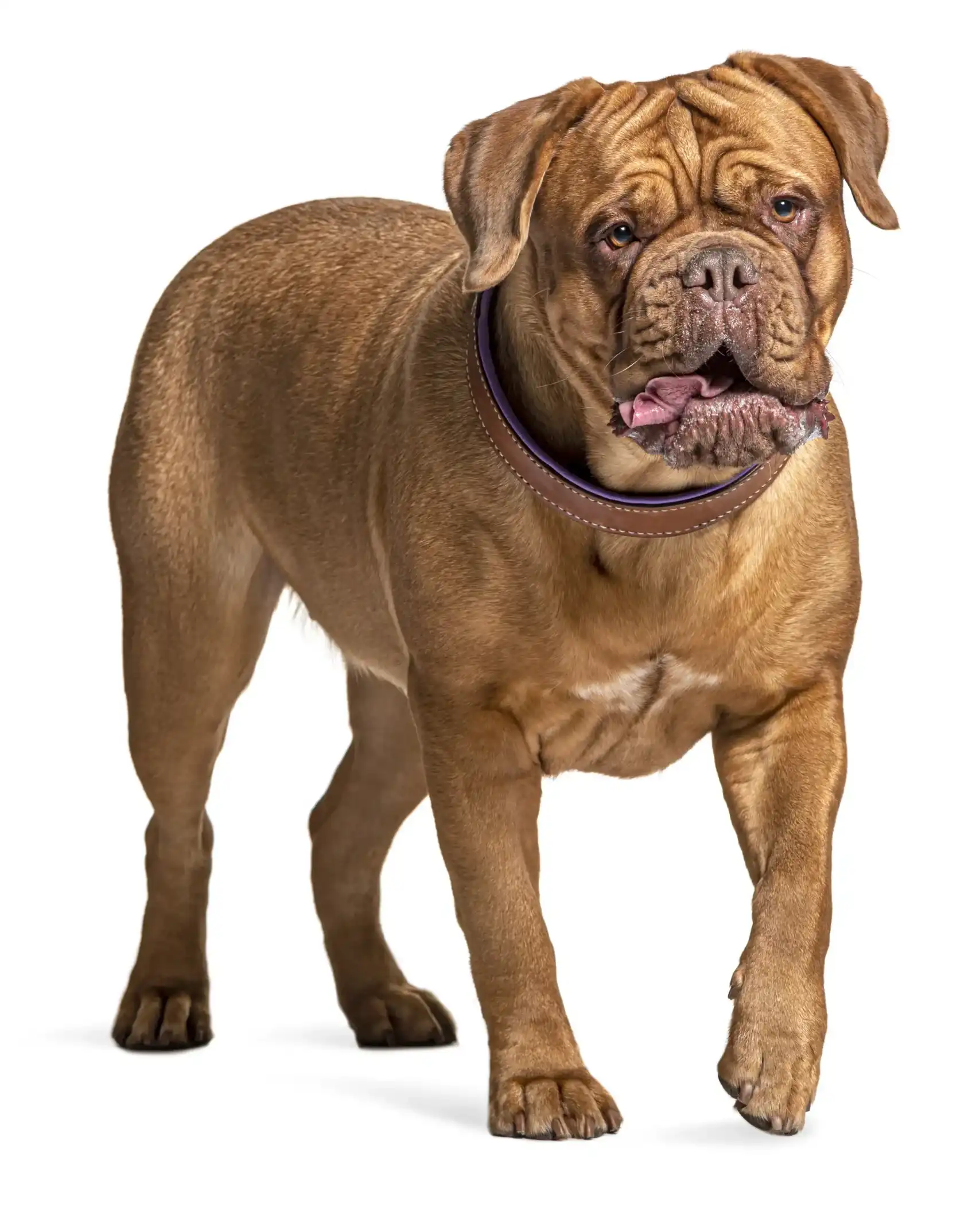
Osteoarthritis is unfortunately a progressive disease. There is no known cure for arthritis. Arthritis treatments for dogs therefore mainly focus on controlling the pain and slowing down the development of the disease.
The most commonly used medications for dog arthritis are Non-Steroidal Anti-Inflammatory Drugs (NSAIDs). They tend to be effective in reducing arthritis pain and decreasing the inflammation in the joints. On the downside long term use of NSAIDs can have significant side effects so it is recommended to closely monitor the dog’s health while on NSAID medication, especially the liver and kidney function.
Other arthritis medication for dogs includes corticosteroid anti-inflammatory drugs (steroids) and chondroprotectants.
In some cases, joint surgery may be recommended. Arthroscopic surgery is when cartilage debris is cleaned from the joint. More complex surgeries are also available in the worst affected cases, e.g. to repair bone deformity and joint replacement.

