Home » Cognitive Dysfunction in Cats
Feline dementia is not the same as human dementia / Alzheimer. The symptoms are though in many ways similar, including disorientation and social isolation.
It is though not always easy to diagnose cat dementia as many of the symptoms are like symptoms of other diseases that are common among older cats, e.g. diabetes and hypothyroidism. The most common symptoms of cat dementia are:
Confusion (Disorientation)
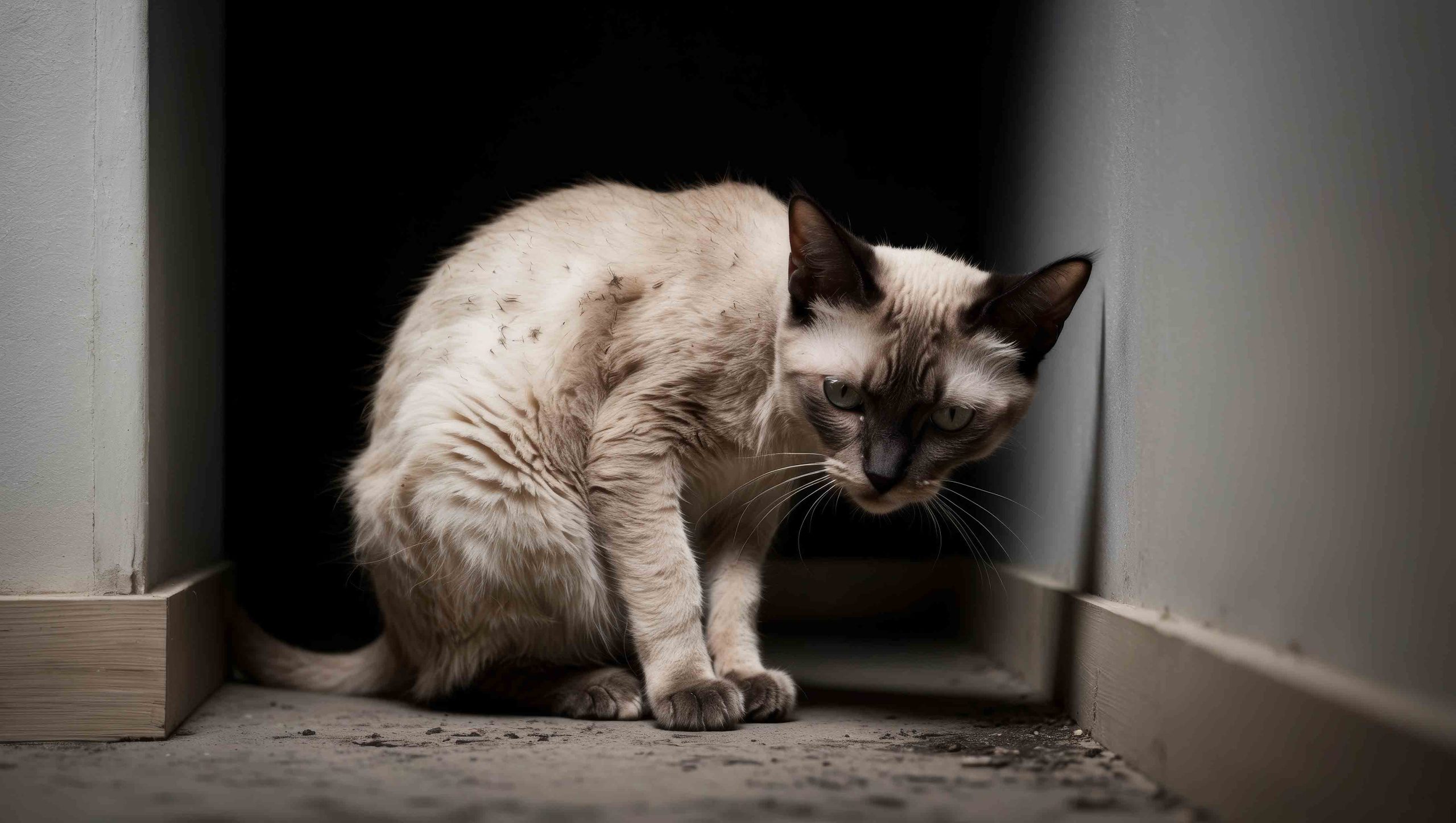
Cats with CDS often become confused and disorientated. The cat may appear lost and wander around aimlessly. He may be visible anxious, shaking and panting. He can get stuck in a corner or behind a furniture. He may even stop recognizing familiar people or other pets. This is very stressful situation for both the cat and the owner.
Decreased Purposeful Activity
The cat may show more aimless activity, like pacing, but less purposeful activity, like playing or hunting.
Increased Amount of Sleep
The cat may sleep more but his sleeping pattern may change as he may struggle with telling night from day.
Loss of Formerly Acquired Knowledge
Your cat may start having housetraining accidents and he may stop responding to verbal cues, including his name.
Less Social Interaction
Cats with dementia may avoid social interaction, both with humans and other animals. He may even refuse petting which may affect your relationship.

Supports your cat where and when they need it most
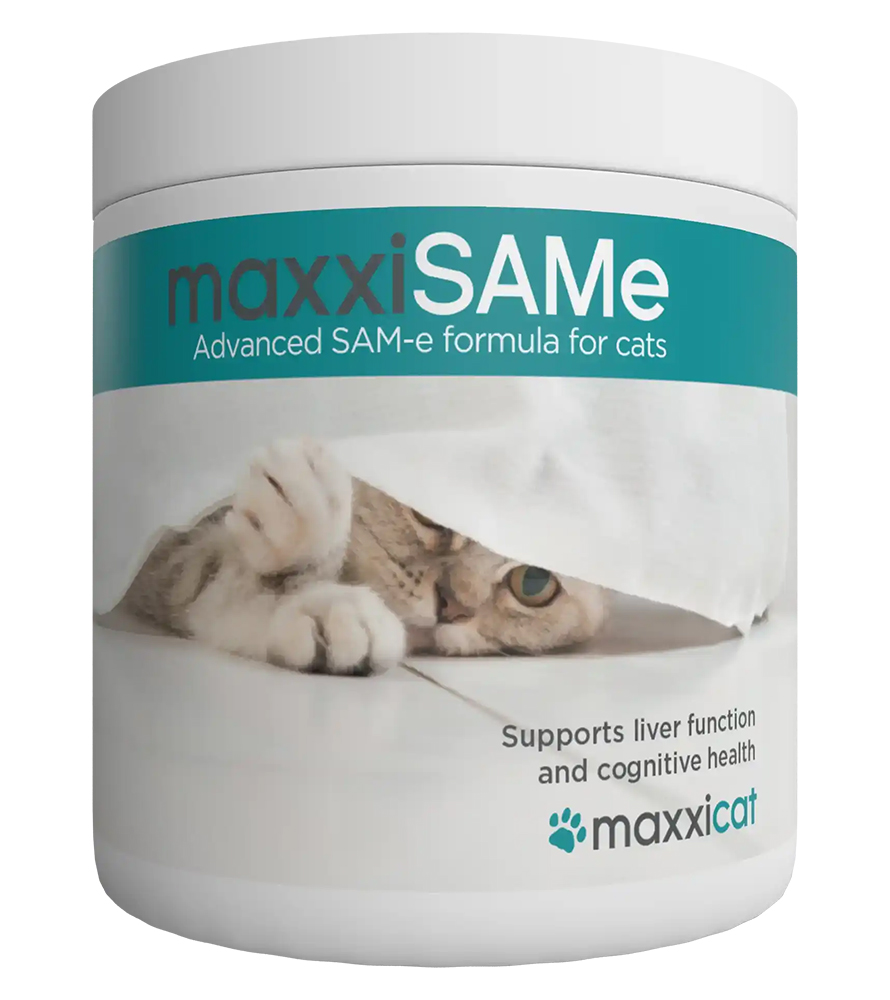
As cats grow older, they can face many of the same age-related health conditions as humans. Our unique stabilized SAM-e powder boosts liver and cognitive functions while easing joint discomfort and improves mood at the same time.
While maxxiSAMe is hard at work within your beloved cat’s liver and brain, expect marked improvements in attitude, energy, and the behavior of your cat.
Cognitive dysfunction in cats is unfortunately incurable but with early intervention and the right management, the quality of life for cats with CDS can be improved.