

Dog joint health problems can be divided into two categories, developmental and degenerative joint problems. Developmental joint problem is when the joints do not develop correctly, e.g. like is the case with canine hip dysplasia. While degenerative joint problem is when the condition increasingly deteriorates over time, e.g. due to normal wear and tear.
Arthritis is the most common degenerative joint problem in dogs. Actually, most dog joint problems manifest themselves in some form of dog arthritis. This article gives an overview of the most common dog joint health problems in alphabetical order.
There are number of different forms of dog arthritis but osteoarthritis, or degenerative joint disease (DJD), is the most common form of arthritis in dogs. Other forms of dog arthritis include rheumatoid arthritis, an erosive arthritis that occurs primarily in toy breeds and other small breeds. Actually, most dog joint problems can result from, or lead to, arthritis in dogs.
Osteoarthritis in dogs can be defined as the progressive and permanent long-term deterioration of the cartilage surrounding the joints. The damage to the cartilage can become so severe that the bones come into contact with each other, making any movement extremely painful. Seeing their dog in pain like this can be very traumatic for the owner.
Canine osteoarthritis can affect any joint in the body such as the shoulder, elbow, knee, hip, and back. The most common dog arthritis symptoms are swelling, stiffness, and joint pain.
Dog arthritis is very common, it is estimated that around 20% of all dogs suffer from it. Canine arthritis is most commonly seen in older dogs, i.e. from years of wear and tear on the joints. Dog arthritis risk factors include abnormal wear on joints and cartilage, dislocation of the kneecap or shoulder, obesity, canine hip dysplasia, etc.
Canine cruciate ligament can tear or rupture. This can happen suddenly (acute ACL), e.g. when the dog is injured during strenuous activity. However, sometimes it is enough for the dog to just stumble and rupture the ligament. Other times cruciate ligament injuries develop slowly over time, e.g. if the dog has genetic abnormalities that cause poor muscle tone.
Ligament tear or rupture leads to joint swelling and instability in the knee joint. It is very painful and the dog will have problem walking. Most dogs with cruciate ligament injuries require surgery.
All dogs can get canine cruciate ligament injury though some breeds are more prone than others, e.g. Labradors, Golden Retrievers, German Shepherds, and Rottweilers. Other risk factors include being overweight, unfit dogs engaging in strenuous activity, male dogs neutered before 5 months of age, etc.
Damage to the canine cruciate ligament is a major cause of progressive osteoarthritis in the knee joints.
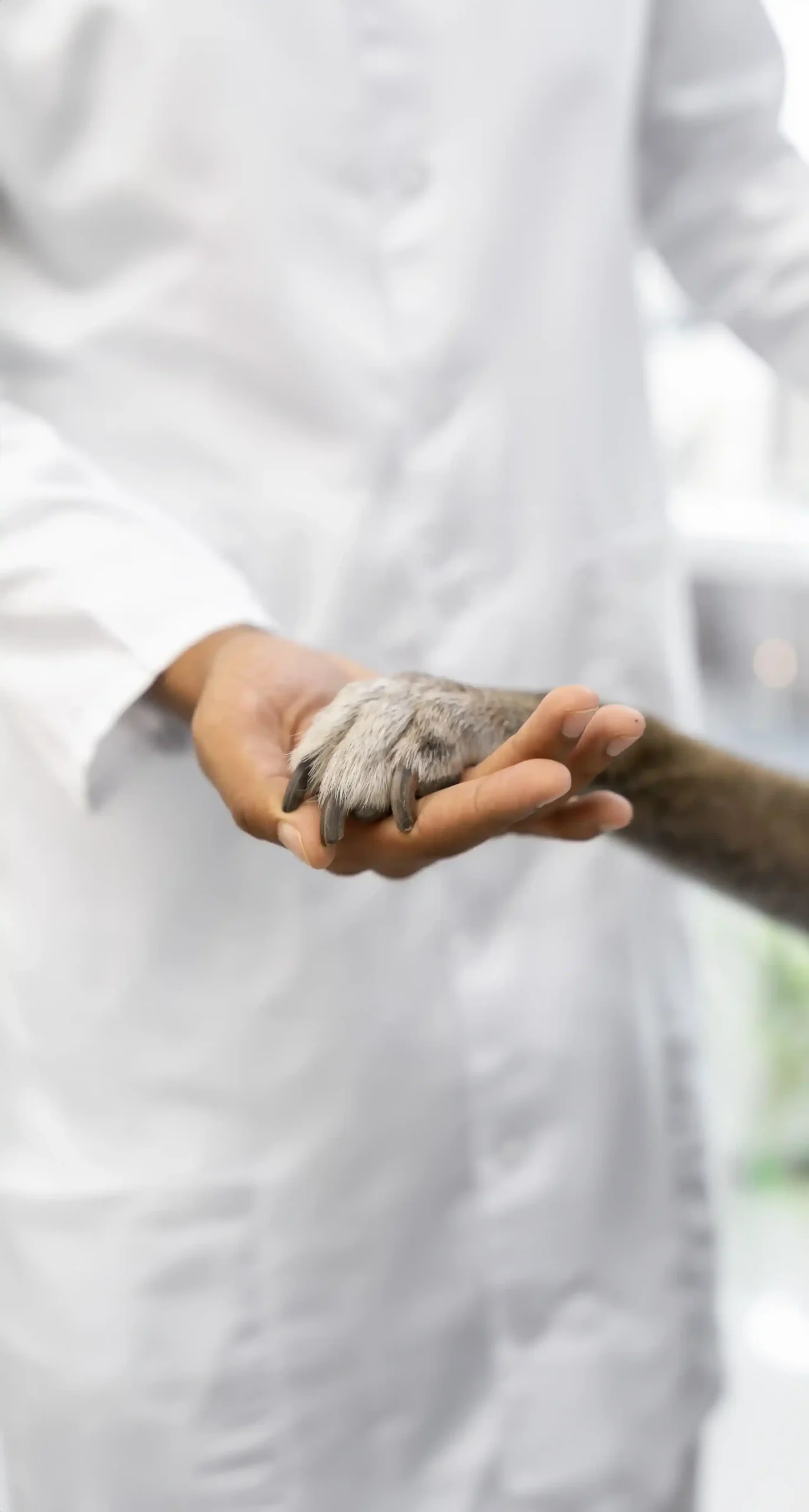
Simply speaking, canine elbow dysplasia is development of arthritis in the elbow joint. Dogs suffering from elbow dysplasia are often lame or have abnormal gait. The symptom can range from occasional lameness to crippling arthritis.
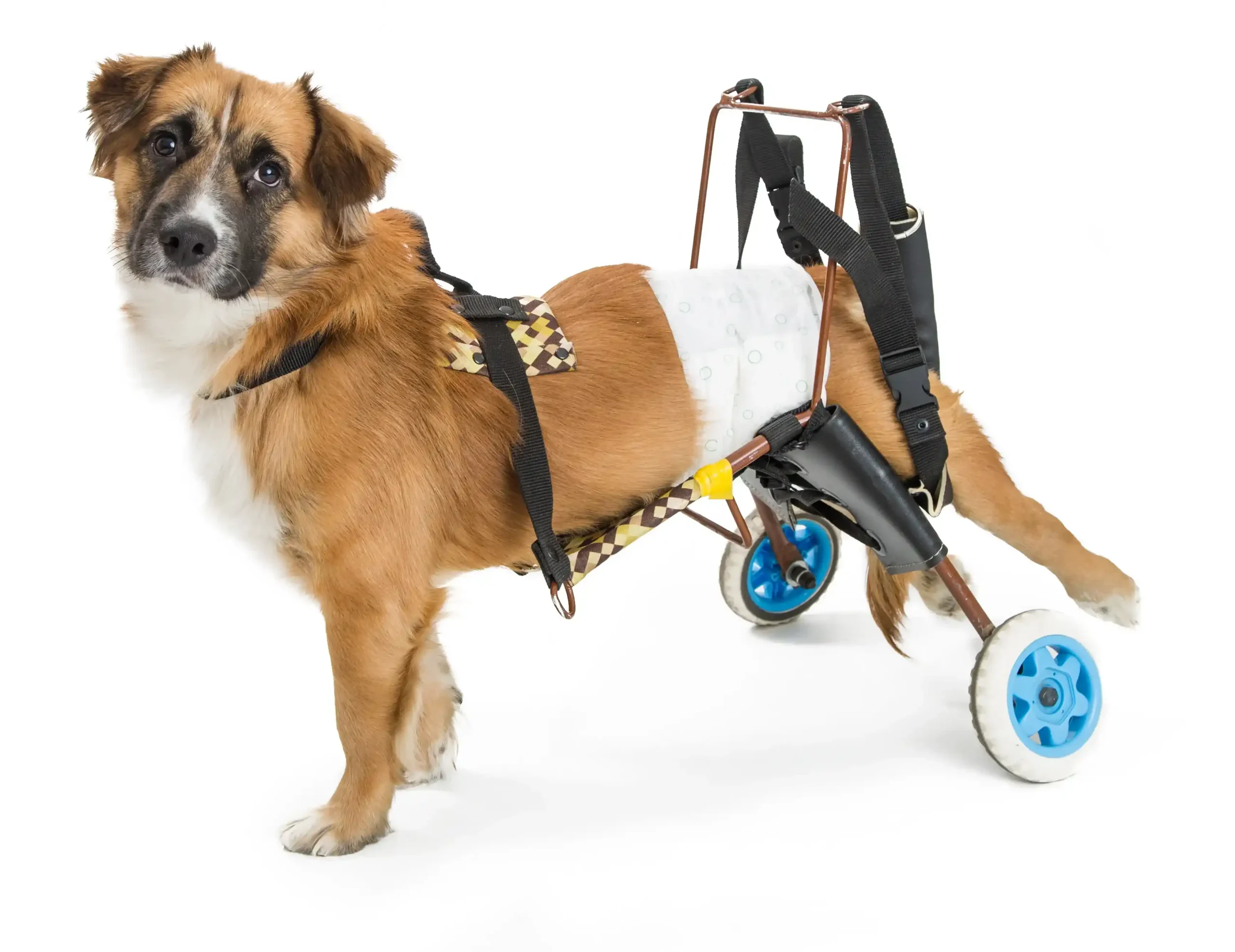
Various other diseases / conditions can cause dog hip pain or arthritis, e.g. cancer, hygroma (bursitis), Lyme disease, obesity, hyperparathyroidism.
You should see your Vet a.s.a.p. if you suspect your dog is suffering from any kind of dog joint health problems. The sooner you react, the better for your dog joint health and comfort.

Optimal joint care for your dog should start early, ideally when they are still a puppy. However, it’s important to remember that it’s never too late to begin taking steps to protect your dog’s joints. By focusing on prevention, you can help reduce the risk of joint pain and stiffness, even if your dog is already older.
There are several strategies you can implement to support your dog’s joint health and potentially delay the onset of discomfort. These include maintaining a healthy weight, providing a balanced diet rich in nutrients that support joint health, and ensuring they get regular, appropriate exercise. By adopting these practices, you can help ensure your dog’s joints remain as healthy as possible throughout their life
By completing this form, you agree to receive marketing and promotional emails from maxxipaws. You can change your preferences or unsubscribe anytime.