
Home » Dog Separation Anxiety
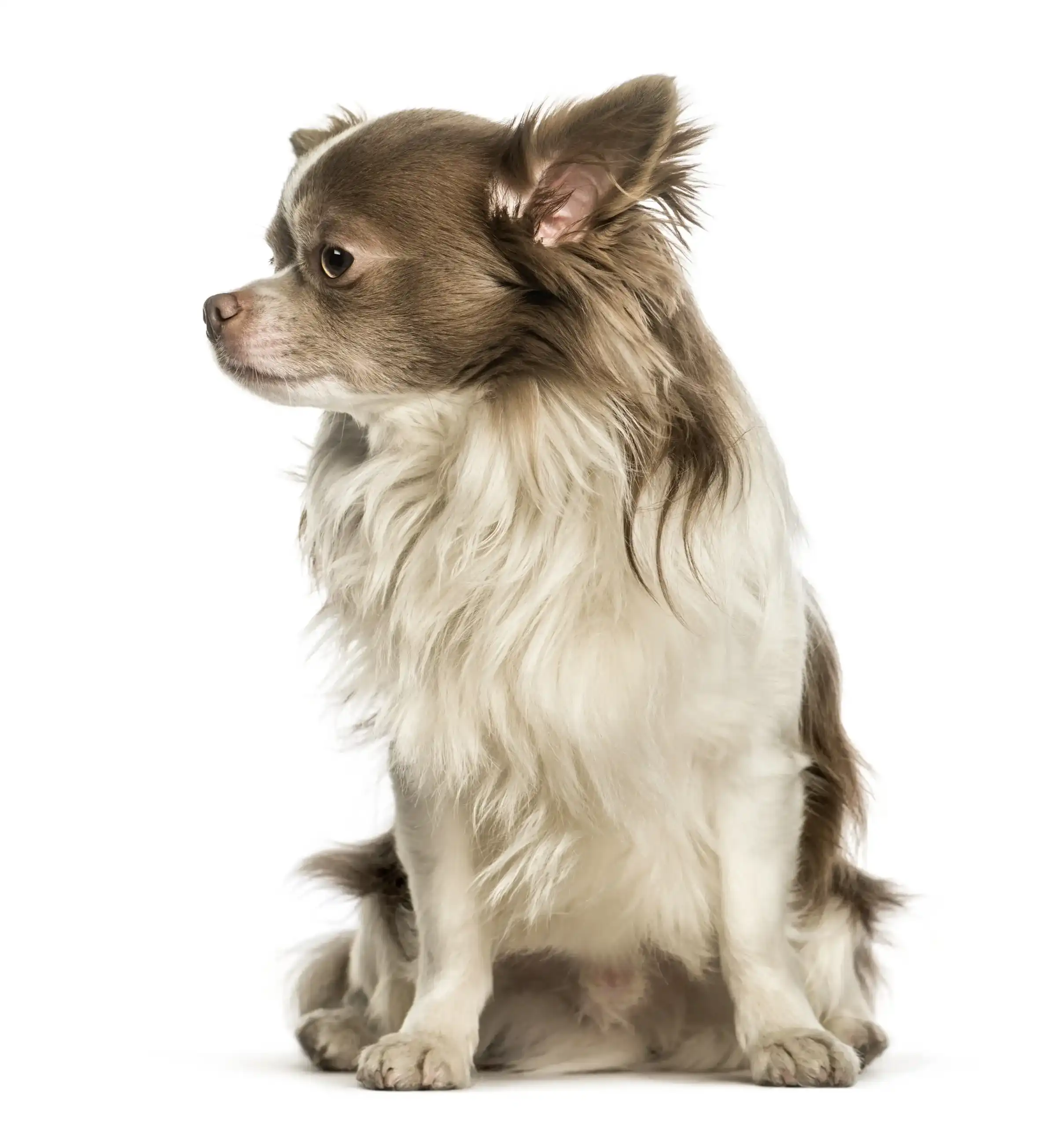
One of the reason why we love dogs so much is because they love us so much back. And sometimes that is the problem. They love us so much that they suffer when they are left alone.
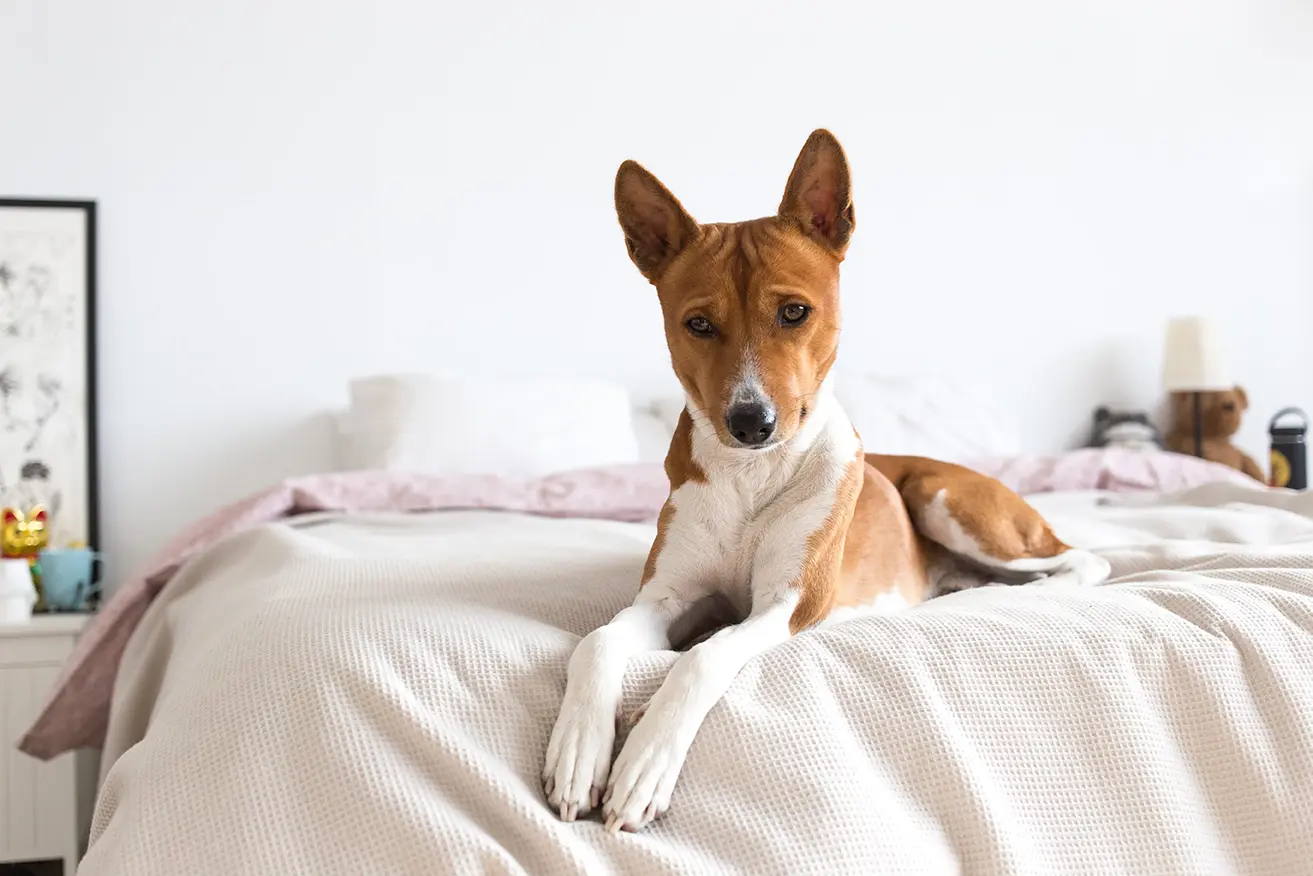
Dogs are pack animals and therefore by nature are not used to be on their own. However, sometimes you have to leave the dog home alone, e.g. while you work or when you are going out to dinner where dogs are not allowed.
No dog should be left alone for prolonged periods, but most dogs can learn to be left alone for few hours at the time. Some dogs though really struggle with being left on their own. It has been estimated that up to 15% of dogs suffer from canine separation anxiety.
There is no one reason for dog separation anxiety. Rescue dogs are though more likely to suffer from separation anxiety than dogs that have had one home since puppies. Dogs that have been rehomed before they are one year old, and especially dogs that have had many different homes, are most at risk of developing separation issues. Simply put, the loss of “pack members” can lead to separation anxiety in dogs.
Change of family is not the only possible trigger though. Abrupt change in schedule, e.g. owner that used to work at home but now works outside the home for few hours a day, can lead to dog separation anxiety. As can moving to a new house, or change in the members of household, e.g. family member moving away or death in the family.
Usually the first 15 minutes are the worst. The dog may show all the physiological signs of fear, e.g. increased heart rate. The dog may try to persuade you to come back by barking or howling or trying to escape by scratching at doors or chewing door frames.
After this initial frantic period, many dogs settle down… to chew something that carries your scent. It may be your shoe, the book you were reading, or your favourite pullover. Often the dog chews the scented item into small pieces and curls up in the debris. Some behaviour specialists believe that by doing so your dog is forming a barrier of your scent for his protection.
A behaviour that may indicate that your dog is suffers from canine separation anxiety include:
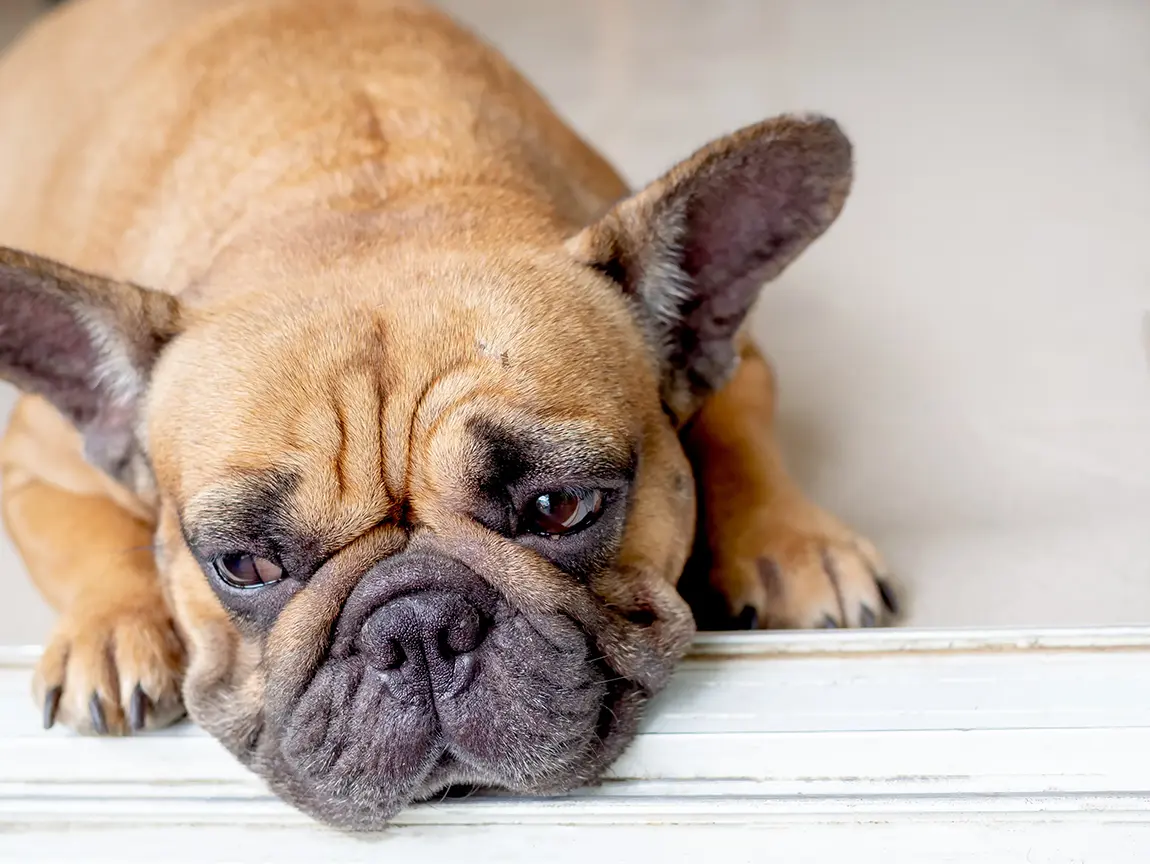

We adopt elderly, abandoned dogs. Many of them have anxiety because of their history and this can lead to behavioural issues. A stressed dog is not a happy dog. We first tried Maxxicalm with a 15 year old Spaniel whose owner had died . He had separation anxiety and couldn’t be left alone ever. Next came a 9 year old female who had been alone in the flat with her dead master for 4 days. She barked constantly, sometimes for hours. Then there was Krispy, a 16 year old toy poodle who was very agressive to all other, much bigger dogs. Their behaviour was transformed within a week of starting Maxxicalm. We’ve now been using them for over 6 months. We’re delighted with the results. The dogs are not in any way sedated, they’re still lively but they’re all so much less anxious and their behaviour has changed to reflect that
US Customer
Dog behaviour training is the most successful way to deal with any dog behaviour problems, including canine separation anxiety. This is because dog behaviour modification training changes the dog’s behaviour once and for all.
Usually the first 15 minutes are the worst. The dog may show all the physiological signs of fear, e.g. increased heart rate. The dog may try to persuade you to come back by barking or howling or trying to escape by scratching at doors or chewing door frames.
After this initial frantic period, many dogs settle down… to chew something that carries your scent. It may be your shoe, the book you were reading, or your favourite pullover. Often the dog chews the scented item into small pieces and curls up in the debris. Some behaviour specialists believe that by doing so your dog is forming a barrier of your scent for his protection.
There are things you can do to reduce your dog / puppy separation anxiety.
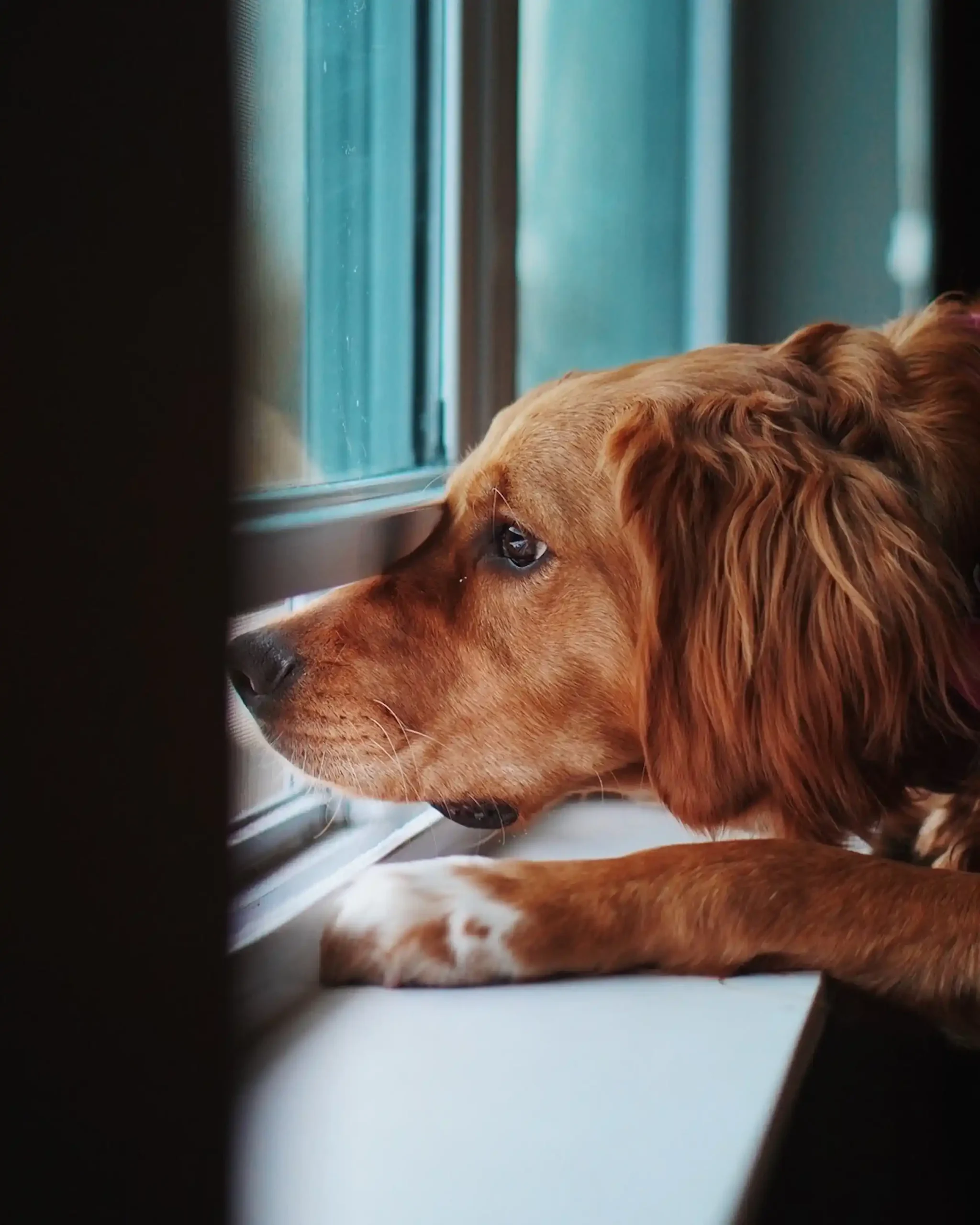
If your dog’s separation anxiety is severe, then your Vet may recommend dog anxiety medication. Anti-anxiety medication can help dogs with mild separation anxiety to get used to being left alone and then you can wean them of the medication.
Most anti-anxiety drugs for dogs have unpleasant side effects so most dog owners consider them as the last resort. This is why many dog owners prefer to use natural calming aid supplements, like maxxicalm.
Like dog anxiety medication, calming aid for dogs does not cure your dog separation anxiety. It can however help to reduce the dog’s anxiety level and speed up the treatment progress.

What NOT to do is as important as what to do. You should never punish your dog for what he does while he is home alone. Your dog’s destructive behaviour is because he is anxious, and this is his way of coping with his stress. If you punish him, you can make the problem even worse in the future.
No matter how hard it is, you must consider it your fault for allowing the incident to happen and look for ways to make sure it cannot happen again. Seek professional help if needed, and sooner rather than later, as dog separation anxiety does not go away without our involvement.
